

Body Image Psychologist Melbourne

Support for Body Image, Emotional Eating and a Healthier Relationship With Food

Receive personalised body image counselling and psychological therapy from experienced Melbourne psychologists, with compassionate support for negative body image, emotional eating, self-esteem concerns and difficult thoughts or behaviours involving food and weight.

Shift your mindset

Learn psychology of weight loss

Feel better, live better!

Body Image Counselling and Therapy in Melbourne

Personalised Support Without Judgement or Stigma

Body image concerns can affect your thoughts, emotions, confidence, relationships and ability to participate comfortably in everyday life. You may experience frequent appearance comparisons, dissatisfaction with your body, fear of judgement, avoidance of social situations or difficult thoughts and behaviours involving food, exercise or weight.

Counselling in Melbourne provides personalised body image counselling and psychological therapy for adults experiencing body dissatisfaction, emotional eating and related concerns. Our registered psychologists and experienced counsellors support clients through face-to-face appointments at our Melbourne CBD clinic and online via telehealth.

Your practitioner will take time to understand your experiences, circumstances and therapy goals before discussing an appropriate and respectful approach to support.

Understanding Body Image and Its Impact

Body Image Involves More Than Physical Appearance

Body image describes the thoughts, feelings, beliefs and perceptions you have about your body. It may be influenced by personal experiences, relationships, cultural expectations, social media, bullying, weight stigma and significant changes to your health or appearance.

Body image concerns can occur at any age and affect people of every gender and body size. Difficulties may involve persistent self-criticism, comparing yourself with others, avoiding photographs or social situations, repeatedly checking your appearance or feeling that your worth depends on how your body looks.

Body image distress can also occur alongside anxiety, depression, low self-esteem, disordered eating or body dysmorphic disorder

get-started-body-image

The Psychology of Weight Loss Management & Positive Body Image

Your Attitude & Beliefs

A positive mindset, knowing what motivates you and how to manage obstacles can help you achieve and maintain your weight loss goal.

Motivation & Goal Setting

Motivation to lose weight is the first step in your weight loss journey. Before starting a weight loss program, ask yourself why you want to lose weight and what your ultimate goals are.

How Psychology Helps

There are core self-sabotaging psychological symptoms that can prevent or limit you achieving your weight loss goals. Psychologists have a range of tools and techniques which can target the key issues underlying your weight management difficulties.
How a Psychologist Can Help With Body Image

Exploring Thoughts, Emotions and Behavioural Patterns

A body image psychologist can help you explore the experiences and beliefs influencing how you relate to your body. Therapy does not require you to reach a particular weight, shape or appearance.

Depending on your individual concerns, body image therapy may help you:

Managing body image issues or trying to lose weight is never an easy journey.

Even though some individuals get quicker results, there is a large percentage of individuals who struggle to achieve the results they desire. Some may think that losing weight is all about eating less and working out more, which is actually not true for everyone. This wrong belief or assumption can result in an individual starting their weight loss journey with the wrong strategy, which produces a negative outcome I.e. “I have failed”.

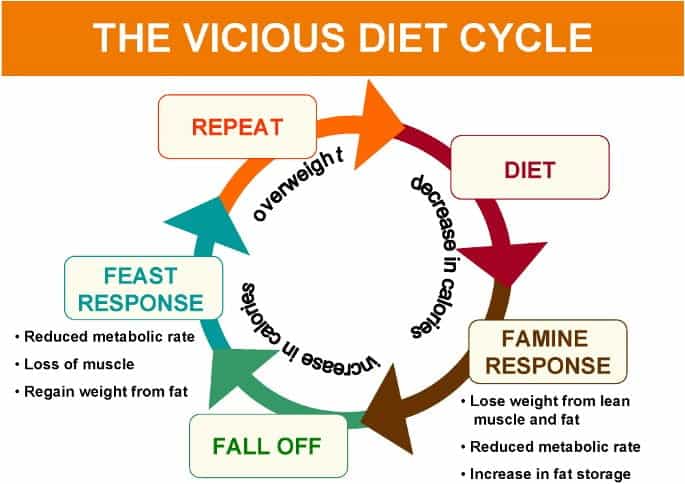
Have you been a victim of the diet cycle?

“Break the Cycle… All weight loss plans and programs work… until they don’t.”

Traditionally when a weight loss program begins – nutritional requirements and exercise regimes are researched extensively and a program is designed to suit each individual. Mindset is not normally considered and can be the missing link needed to achieve your body image & weight loss goals.

Melbourne Body Image and Weight Loss Psychology Services

Our Melbourne Psychologists Provide Counselling Support For:

Comfort Eating

Comfort eating involves turning to food for reassurance, distraction or temporary relief during difficult moments. Our Melbourne psychologists can help you recognise emotional and situational triggers, understand established habits and develop alternative ways to manage discomfort without judgement.

Binge eating involves consuming a large amount of food over a short period while experiencing a sense of losing control. Psychological support can help you explore triggers, reduce shame and develop more balanced coping strategies. Binge eating disorder is different from occasional overeating and may require coordinated professional care

Overeating means eating beyond comfortable fullness and may happen occasionally due to stress, boredom, habits or environmental cues. Counselling can help you identify patterns, become more aware of hunger and fullness signals and develop flexible, sustainable responses around food.

Emotional eating occurs when food is used to manage feelings such as stress, loneliness, sadness or frustration rather than physical hunger. An emotional eating psychologist can help you understand the connection between emotions and eating, strengthen emotional regulation and develop healthier coping strategies.

Body image concerns can involve negative thoughts, feelings and beliefs about your appearance, shape or weight. Body image counselling can help reduce comparison and self-criticism, address avoidance or body-checking behaviours and support a more respectful relationship with your body.

Depression, stress and anxiety can influence appetite, motivation, eating habits, exercise and how you perceive your body. Our psychologists can help you explore these interconnected concerns, manage difficult emotions and develop practical strategies that support your overall psychological wellbeing.

A difficult relationship with food and exercise may involve guilt, rigid rules, compulsive habits or all-or-nothing thinking. Psychological therapy can help you understand these patterns, develop greater flexibility and work towards an approach guided by wellbeing rather than punishment or appearance.

Anorexia nervosa is a serious eating disorder that may involve food restriction, fear of weight gain and distressing beliefs about body size or shape. Psychological therapy may form part of coordinated care involving a GP, dietitian, psychologist and other health professionals, depending on the person’s needs.

People living with obesity may experience emotional eating, low self-esteem, weight stigma or difficulty maintaining health-related behaviour changes. A weight management psychologist can provide respectful, weight-inclusive support focused on emotional wellbeing, sustainable habits and personally meaningful goals, without judgement or guaranteed weight outcomes.

Food restriction involves limiting the amount, range or frequency of food consumed and may be connected with body image concerns, anxiety, rigid food rules or an eating disorder. Our psychologists can explore the thoughts and emotions maintaining these patterns and discuss whether multidisciplinary support may also be appropriate.

Your Journey Starts with a Conversation

Kind. Respectful. Supportive. Always.

Counselling in Melbourne - Getting Started and Booking an Appointment Online

1. Choose What Feels Right

Book an appointment that feels right for you — all our practitioners are compassionate, understanding, and here to truly listen.

2. Settle Into a Safe Space

In your session, you'll have the space to gently explore whatever you're experiencing, in your own time and in your way.

3. Co-Create Your Support Plan

Together, you and your practitioner will create a personalised support plan, focused on helping you feel more grounded, balanced, and in control.

4. Move at Your Own Pace

Some people find clarity in a single session, while others choose ongoing support — there’s no one-size-fits-all, only what feels right for you.

5. Grow with Ongoing Care

As your journey unfolds, we're here to walk beside you — helping you rediscover calm, confidence, and emotional wellbeing.

Meet Our Psychologists and Counsellors

Understanding Weight Loss Psychology

Watch our short explainer video to learn how thoughts and beliefs about appearance can influence body image, eating behaviour and emotional wellbeing, and how psychological support may help you develop a more respectful and balanced relationship with your body.

Melbourne Psychology Blog

Related on Body Image and Weight Management