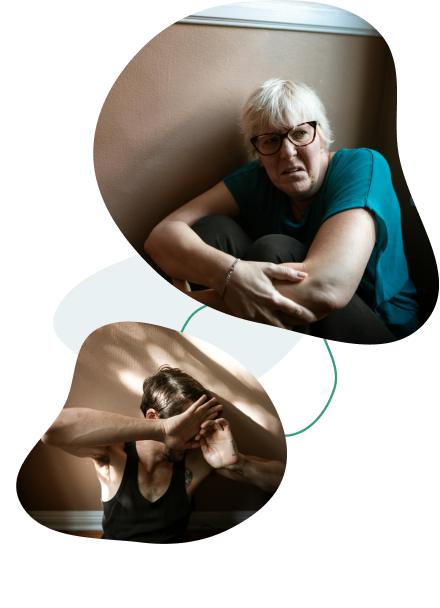
Receive personalised trauma counselling and psychological therapy from experienced Melbourne psychologists, with support available for post-traumatic stress, childhood trauma and other trauma-related concerns through in-clinic and telehealth appointments.



Always remember that no matter how much trauma we might be forced to endure, the human mind will always find a way to adjust.
You just need someone who can validate your feelings and help you see the light at the end of the tunnel.
Following a traumatic or distressing experience, you may notice changes in how you think, feel and respond to everyday situations. Some reactions occur soon after an event and gradually ease, while others may persist or significantly interfere with daily life. Common trauma and PTSD experiences may include:
Win back the life you want and deserve!
Counselling in Melbourne provides personalised trauma counselling and psychological therapy for adults affected by traumatic or distressing experiences.
Our registered psychologists and experienced counsellors support clients through face-to-face appointments at our Melbourne CBD clinic and online via secure telehealth.
Your practitioner will take time to understand your experiences, current concerns and therapy goals before discussing an appropriate approach to support.
You will not be expected to share every detail of a traumatic experience immediately.
Trauma describes the emotional and psychological response that may follow a distressing, frightening or overwhelming experience. People can experience trauma-related symptoms without necessarily meeting the criteria for post-traumatic stress disorder.
PTSD is a recognised mental health condition involving ongoing symptoms that significantly affect a person’s ability to function socially, professionally or at home. A qualified health professional can assess your symptoms, their duration and the way they are affecting your everyday life.
Not everyone who experiences trauma develops PTSD, and people can respond to similar events in very different ways.
Book an appointment that feels right for you — all our practitioners are compassionate, understanding, and here to truly listen.
In your session, you'll have the space to gently explore whatever you're experiencing, in your own time and in your way.
Together, you and your practitioner will create a personalised support plan, focused on helping you feel more grounded, balanced, and in control.
Some people find clarity in a single session, while others choose ongoing support — there’s no one-size-fits-all, only what feels right for you.
As your journey unfolds, we're here to walk beside you — helping you rediscover calm, confidence, and emotional wellbeing.


Watch our short explainer video to learn more about common trauma responses, how PTSD may affect everyday life and when speaking with a psychologist or counsellor may be helpful.
Whenever we hear the words “trauma” or “PTSD” we often think of war veterans. For some reason, we tend to associate trauma & PTSD with terrible events like natural disasters and war.
But while those who’ve seen the battlefield (or the horrors that follow earthquakes, tsunamis, etc.) are indeed at a high risk of developing PTSD, they’re not the only ones.
Trauma is a complex phenomenon that can occur as a result of various negative experiences.
So, let’s take a moment to understand trauma & PTSD.
In essence, a traumatic event is any negative event that triggers a strong emotional response. More specifically, you lose your sense of security which might lead to depression, feelings of helplessness, and an overall grim perspective on life.
As you can see, this definition covers a broad spectrum of events. But leaving aside armed conflicts, natural disasters, and other similar calamities, some of the most common reasons why people request trauma counselling are:
Current research indicates that emotional trauma may be the result of common events for most people, but which are subjectively perceived as aversive.
But while trauma is a normal reaction to a frightening situation, the effects can seriously interfere with your relationships, work, and personal life.
Short for post-traumatic stress disorder, PTSD is a condition that can develop after you experience an event that you perceive as shocking, dangerous, and frightening.
To get a sense of what PTSD feels like, try to recall the last time you felt extremely anxious about something. Now imagine living with this anxiety every day; imagine feeling restless, hypervigilant, and on edge 24/7.
Most experts believe that under normal circumstances, people overcome trauma and adjust to their new circumstances in about several weeks.
If you’ve been struggling with these symptoms for more than a couple of weeks, perhaps it’s time to consult a professional.
As you probably know, people deal with trauma in different ways. Some seek comfort at the bottom of a bottle, while others bury themselves in work.
It’s hard to go about your daily business when you’re constantly feeling on edge and there’s no one around with whom to share your pain.
Most of us have a natural tendency to avoid internalising traumatic events because it’s too painful and distressing to be permanently connected to an unpleasant memory.
So, how can you overcome something that you’re too terrified to approach?
By consulting a professional who can assist you in facing your trauma, accepting the feelings it produces, and adjusting to a new life.
Our trauma counsellors are equipped with a wide range of therapeutic approaches such as Cognitive-Behavioral Therapy, Acceptance and Commitment Therapy, Schema Therapy, and many other evidence-based strategies.
It may be helpful to speak with a trauma psychologist when intrusive memories, avoidance, sleep difficulties, heightened alertness or emotional distress persist and begin affecting your work, relationships or everyday life. You do not need to wait until symptoms become severe before discussing your concerns with a qualified professional.
Yes, selected practitioners provide psychological support for complex PTSD and the effects of repeated or prolonged trauma. Practitioner suitability and availability will depend on your symptoms, circumstances and therapy needs.
EMDR therapy is available with appropriately trained practitioners, subject to assessment and availability. Your psychologist will first consider your symptoms, safety, readiness and therapy goals before discussing whether EMDR may be suitable.
You will not necessarily be expected to describe every detail of a traumatic experience, particularly during your first appointment. Trauma therapy should be collaborative and carefully paced according to your needs and readiness.
Secure telehealth trauma counselling is available for suitable clients across Melbourne and surrounding areas. Your practitioner can discuss whether online or in-clinic appointments are more appropriate for your needs.
You do not generally require a referral to book a private appointment. A valid referral and Mental Health Treatment Plan are required when seeking eligible Medicare rebates for psychology sessions.
You can book an appointment online through our secure booking system by selecting a suitable practitioner, appointment type and available time. You can also call 1300 967 734 to speak with our reception team, who can help you find an appropriate psychologist or counsellor and answer any questions about appointment availability.

Take the first step – speak with a psychologist or counsellor today.